


The Toyota 4Runner and Jeep Wrangler are two iconic SUVs that stand out in the off-road segment. Both vehicles have earned a reputation for their durability, ruggedness, and capability to tackle challenging terrains. As outdoor enthusiasts seek the perfect companion for their adventures, it’s essential to compare these two giants to determine which model best meets their needs.
The 4Runner is celebrated for its powerful V6 engine, spacious interior, and advanced safety features. With a focus on reliability, the 4Runner is an excellent choice for families and those who require a dependable vehicle for daily use and weekend getaways. In contrast, the Wrangler is synonymous with adventure, equipped with a unique four-wheel-drive system and unmatched off-road capabilities. Its removable doors and roof options cater to drivers who desire an immersive outdoor experience.
This comparison will delve into key aspects such as performance, interior comfort, technology, and off-road capabilities. By examining these factors, potential buyers can make an informed decision when choosing between the Toyota 4Runner and Jeep Wrangler. Whether you prefer the 4Runner’s blend of comfort and capabilities or the Wrangler’s legendary off-road prowess, understanding the strengths of each model is crucial in finding the right fit.
Off-Road Capability: How the 4Runner and Wrangler Stack Up

When it comes to off-road capability, both the Toyota 4Runner and Jeep Wrangler have built a reputation for excellence, each appealing to different kinds of adventurers.
The Toyota 4Runner features a robust body-on-frame construction, which enhances its durability and stability on rough terrain. Its advanced four-wheel drive system, combined with the Multi-Terrain Select feature, allows drivers to adapt to various conditions, whether navigating through mud, rocks, or sand. With a ground clearance of up to 9.6 inches, the 4Runner can easily tackle obstacles that might hinder other vehicles.
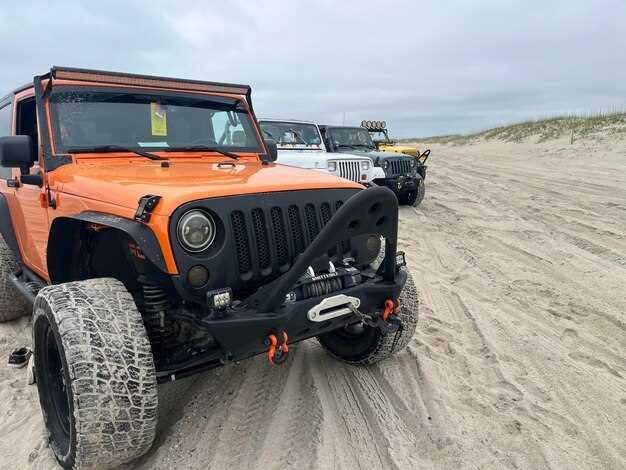
On the other hand, the Jeep Wrangler is synonymous with off-road prowess. Renowned for its Trail Rated badge, the Wrangler is designed specifically for off-road adventures. It offers features like locking differentials, superior approach and departure angles, and a high ground clearance of around 10.8 inches, making it one of the best in class for tackling steep inclines and uneven surfaces. The Wrangler’s removable doors and roof also provide an immersive outdoor experience.
In terms of approach and departure angles, the Wrangler often outperforms the 4Runner, allowing it to navigate steep grades more effectively. The available Off-Road Plus mode in some Wrangler models lets drivers enhance traction and control over challenging terrains, providing an edge during extreme off-road conditions.
Ultimately, while both the 4Runner and Wrangler excel in their capabilities, the choice between them often comes down to personal preference. The 4Runner is more suited for those who want a rugged SUV with solid on-road comfort, whereas the Wrangler appeals to purists who prioritize off-road experience and adventure readiness.
Interior Comfort and Technology Features of 4Runner vs Wrangler
The Toyota 4Runner and Jeep Wrangler are renowned for their off-road capabilities, but interior comfort and technology also play crucial roles in everyday usability. When comparing these two SUVs, several key features come into play.
The 4Runner emphasizes a more traditional SUV layout with abundant interior space, providing comfortable seating for five, with an optional third row. The cabin is designed for durability and functionality, featuring high-quality materials that endure rugged use. The 4Runner also boasts a spacious cargo area, making it suitable for family trips and outdoor adventures.
In contrast, the Wrangler focuses on a blend of ruggedness and modernity. While it offers two-door and four-door configurations, the seating capacity is slightly less accommodating than the 4Runner. The interior design targets off-road enthusiasts with features like removable doors and a windshield that folds down. This dynamic approach, while enhancing the off-road experience, may compromise space and comfort for backseat passengers during long journeys.
When it comes to technology, the 4Runner is equipped with a user-friendly infotainment system that includes a touchscreen display, smartphone integration capabilities via Apple CarPlay and Android Auto, and multiple USB charging ports. Optional features such as a premium sound system enhance the driving experience.
Meanwhile, the Wrangler integrates advanced technology, including an available 12-inch touchscreen, and offers a more customizable interface. Jeep provides robust off-road monitoring systems and various connectivity options, such as off-road navigation tailored specifically for rough terrains. However, the rugged style may lead to some compromises in the overall technological refinement compared to the 4Runner.
Ultimately, while the 4Runner excels in spacious comfort and classic features, the Wrangler delivers a unique combination of rugged charm and modern technology. The choice between these two vehicles will depend on the buyer’s priorities, whether they lean towards a more spacious and comfortable ride or a vehicle designed for adventurous off-road exploration.
Cost of Ownership: Maintenance, Insurance, and Fuel Economy Analysis
The cost of ownership for both the Toyota 4Runner and the Jeep Wrangler is influenced by several critical factors, including maintenance, insurance rates, and fuel economy.
Maintenance: The Toyota 4Runner generally boasts a reputation for reliability, which translates into lower average repair costs over time. The durability of its components often leads to fewer unexpected repairs. In contrast, the Jeep Wrangler, while known for its off-road prowess, can incur higher maintenance expenses. The Wrangler’s complex four-wheel-drive system and off-road features may demand more frequent servicing, especially if used in rugged conditions.
Insurance: When comparing insurance rates, the Wrangler typically has higher premiums. This can be attributed to its classification as a more adventurous vehicle. The potential for off-road accidents and theft can raise the insurance cost. On the other hand, the Toyota 4Runner, being a family-oriented SUV, tends to have more affordable insurance premiums, making it a financially better choice for families looking to minimize long-term costs.
Fuel Economy: Fuel efficiency remains a significant aspect of the total cost of ownership. The Toyota 4Runner has a fuel economy rating that averages around 16-19 miles per gallon depending on the configuration. Conversely, the Jeep Wrangler offers similar fuel economy, but it can vary more significantly due to various engine options and configurations. The Wrangler’s performance-focused design may lead to slightly lower fuel efficiency, especially in off-road scenarios, impacting overall fuel costs.
In summary, while both vehicles offer unique advantages, the Toyota 4Runner often stands out in terms of lower maintenance and insurance costs. The Jeep Wrangler, while appealing for its off-road capabilities, may present a higher total cost of ownership that potential buyers ought to consider carefully.