

Maintaining the proper function of your Toyota vehicle’s cooling system is essential for ensuring its longevity and performance. One of the most critical components of this system is the radiator. A leaking radiator can lead to overheating, engine damage, and costly repairs if not addressed promptly. Understanding how to identify and repair such leaks is crucial for any Toyota owner.
Leaks in the radiator can occur due to corrosion, physical damage, or wear and tear over time. Being able to detect the signs of a leak early can save you both time and money, and it’s a skill that every DIY owner should possess. In this guide, we will take you step-by-step through the process of diagnosing and repairing a leaking radiator in your Toyota, helping you keep your vehicle’s cooling system in optimal condition and prevent further complications.
Identifying the Source of the Radiator Leak
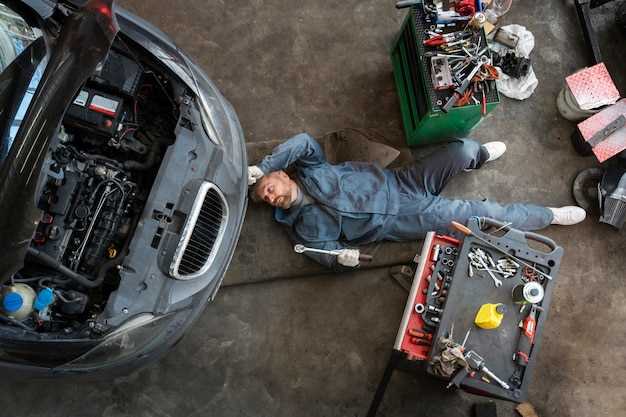
To effectively address a leak in your Toyota’s radiator, the first step is to pinpoint the exact source of the problem. A leak can manifest in several areas, and understanding where it’s coming from is crucial for a successful repair.
Start by inspecting the radiator itself for any visible cracks or damage. Look for signs of coolant pooling beneath your vehicle, as this can indicate a leak. Pay close attention to joints and connections, where the radiator meets the hoses. These areas are often prone to failure due to wear and tear over time.
Next, examine the hoses connected to the radiator. Check for any signs of swelling, cracking, or deterioration. The coolant can escape through these weak points, leading to insufficient cooling and potentially causing engine overheating. If the hoses appear damaged, they may need replacement.
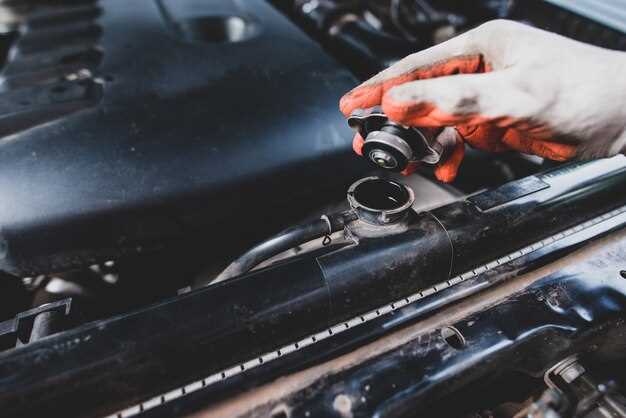
Additionally, don’t overlook the radiator cap; a faulty cap can lead to pressure loss and coolant leaks. Ensure it’s sealing properly and replace it if there are any signs of wear.
Using a pressure tester can also be effective in identifying leaks. This tool allows you to pressurize the cooling system while the engine is off, helping to reveal any hidden leaks that are not immediately visible.
In conclusion, accurately identifying the source of your radiator leak in your Toyota involves a thorough visual inspection of the radiator, hoses, and cap, as well as utilizing tools like a pressure tester when necessary. Addressing leaks promptly will not only extend the life of your radiator but also ensure the overall efficiency of your vehicle’s cooling system.
Steps for Temporary and Permanent Fixes
When faced with a leaking radiator in your Toyota, it’s crucial to address the issue promptly to maintain your vehicle’s cooling system. Here are steps for both temporary and permanent fixes.
Temporary Fixes
Temporary solutions can prevent further damage while you seek a permanent repair.
- Find the Leak: Inspect the radiator and surrounding hoses to identify the exact location of the leak. Look for coolant stains or puddles on the ground.
- Use Radiator Sealant: Apply a liquid radiator sealant according to the manufacturer’s instructions. This can fill small leaks and slow coolant loss.
- Patch with Duct Tape: For minor leaks, clean the area and cover it with duct tape as a quick temporary solution. Ensure the tape is dry and securely adhered.
- Reduce Pressure: Open the radiator cap to release pressure, which can sometimes mitigate leaks caused by high pressure.
- Monitor Coolant Levels: Regularly check coolant levels and top off with distilled water if necessary until a permanent fix is made.
Permanent Fixes
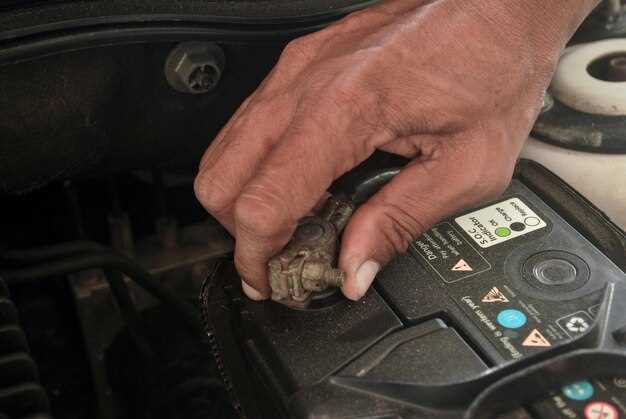
Once the temporary solutions are in place, it’s vital to perform a permanent repair to ensure your radiator functions properly.
- Replace the Radiator: If the leak is significant or in a critical area, replacing the entire radiator may be necessary. Purchase a compatible radiator designed for your Toyota model.
- Replace Hose Connections: Check and replace any damaged or worn hoses connected to the radiator, as these can cause leaks as well.
- Weld or Solder Steel Radiators: For metal radiators, a professional can weld or solder the leak. Ensure the area is clean and dry for the best results.
- Use Epoxy for Plastic Radiators: For plastic components, apply a high-quality epoxy designed for automotive use to seal larger cracks or holes.
- Flush the System: After repairs, flush the entire coolant system to remove any debris. Refill with a proper coolant mixture suitable for your Toyota.
By following these steps for temporary and permanent fixes, you can effectively manage a leaking radiator in your Toyota and maintain the integrity of your vehicle’s cooling system.
Testing the Cooling System After Repairs
After repairing the radiator in your Toyota, it’s crucial to test the cooling system to ensure there are no leaks or functional issues. A properly functioning cooling system is vital for maintaining optimal engine temperatures and preventing overheating.
Start by filling the radiator with the appropriate coolant mixture, following your manufacturer’s recommendations. Once filled, run the engine to operating temperature, allowing the thermostat to open and circulate the coolant throughout the system.
During this process, closely monitor the radiator and surrounding hoses for any signs of leaks. Look for coolant puddles under the vehicle or damp spots around the radiator seams and connections. If you notice any leaks, it may indicate that the repair was not successful, and further investigation is needed.
After running the engine for about 10-15 minutes, check the coolant level in the radiator. If the level has dropped, it may suggest a persistent leak. Use a pressure tester to apply pressure to the cooling system, which can help identify any hidden leaks that may not be visible during regular operation.
Finally, let the engine cool down and inspect the radiator cap. A damaged cap can lead to pressure loss, which may contribute to leaks. Replacing a faulty cap can be a simple yet effective solution to maintaining the integrity of your cooling system.
In summary, thoroughly testing the cooling system after radiator repairs is essential. By following these steps, you can ensure that your Toyota’s cooling system is operating properly and efficiently, minimizing the risk of future leaks and protecting your engine from overheating.