

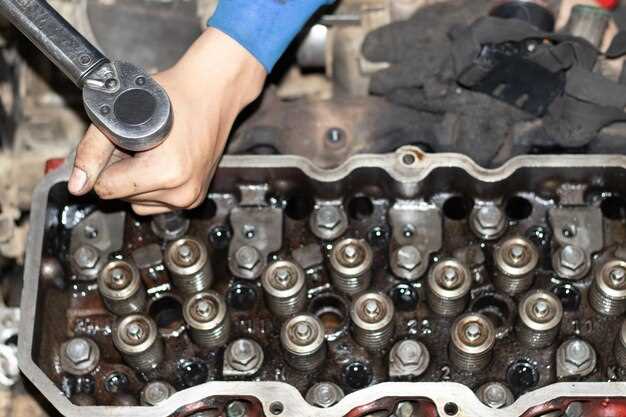
The engine is the heart of any vehicle, and for Toyota owners, it is crucial to understand common engine problems that may arise. While Toyota is renowned for its reliability and engineering excellence, certain issues can occur over time, affecting performance and safety. Identifying these problems early can save owners significant time and money in repairs.
In this guide, we will explore the typical engine problems faced by Toyota vehicles, ranging from minor issues such as oil leaks to more severe concerns like overheating. Each section will provide detailed insights into the symptoms, potential causes, and effective solutions for these problems. Whether you’re a DIY enthusiast or prefer to consult a professional mechanic, this guide will equip you with the knowledge needed to tackle engine troubles head-on.
Furthermore, understanding the engineering behind Toyota engines will empower owners to make informed decisions regarding maintenance and repairs. By addressing issues promptly and utilizing the right solutions, Toyota drivers can ensure their vehicles remain in optimal condition for years to come. Let’s delve into the intricacies of Toyota engine problems and discover how to effectively resolve them.
Identifying Common Engine Issues in Toyota Vehicles
Engine problems in Toyota vehicles can manifest in various ways, impacting performance and reliability. Recognizing these issues early can prevent more extensive damage and costly repairs. Common symptoms include unusual noises, warning lights, decreased power, and poor fuel efficiency.
One prevalent issue is engine knocking, often caused by low-quality fuel, insufficient engine oil, or worn internal components. This sound indicates that engine parts are not lubricating or aligning properly, necessitating immediate attention.
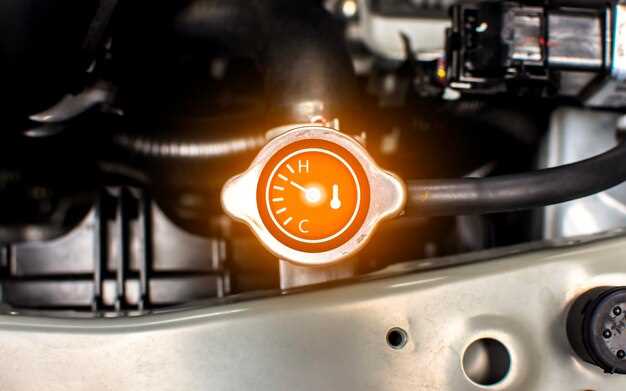
Another common concern is overheating, which can result from a faulty thermostat, a leak in the cooling system, or a malfunctioning water pump. Overheating can severely damage engine components, so it is crucial to monitor the temperature gauge and respond promptly to any anomalies.
Fuel system problems may also arise, such as clogged fuel injectors or a failing fuel pump. These issues can lead to poor acceleration, stalling, or misfiring. Regular maintenance of the fuel system can prevent these complications.
Additionally, oil leaks are a frequent occurrence in older Toyota models. Leaks can lead to low oil levels, increasing the risk of engine wear and potential failure. Regularly checking oil levels and investigating any signs of leakage is essential for maintaining engine health.
Lastly, the check engine light is a crucial indicator of potential issues within the engine. It can signal a wide range of problems, from minor sensor malfunctions to more severe engine troubles. Utilizing an OBD-II scanner can help diagnose the specific problem.
By understanding these common engine issues and their symptoms, Toyota owners can take proactive measures to ensure their vehicles remain in optimal condition.
Step-by-Step Troubleshooting for Toyota Engine Failures
When faced with engine problems in your Toyota, a systematic approach can help identify and resolve the issue efficiently. Follow these steps for effective troubleshooting.
Step 1: Gather Information
Start by noting down any symptoms your vehicle exhibits. Common signs of engine trouble include unusual noises, stalling, rough idling, or warning lights illuminating on the dashboard. Detailed observations are crucial for diagnosing the issue accurately.
Step 2: Check Engine Codes
Use an OBD-II scanner to retrieve diagnostic trouble codes (DTCs) from the engine control unit. These codes provide valuable insights into specific issues, guiding your repair efforts and suggesting where to focus your attention.
Step 3: Inspect Fluid Levels
Check the engine oil, coolant, transmission fluid, and brake fluid levels. Low or dirty fluids can lead to engine performance issues. If any fluid is low, top it off and inspect for leaks that could indicate more serious problems.
Step 4: Examine the Battery and Electrical System
Ensure the battery terminals are clean and securely connected. A weak battery or faulty alternator can cause starting problems and erratic engine behavior. Perform a voltage test to confirm the battery’s health.
Step 5: Assess the Fuel System
Inspect the fuel pump, fuel filter, and injectors for clogs or failures. A lack of fuel pressure or dirty injectors can impede engine performance. Replacing a clogged fuel filter or cleaning injectors often resolves these issues.
Step 6: Check the Ignition System
Examine spark plugs, ignition coils, and wires for wear or defects. Faulty ignition components can lead to misfires and reduced engine efficiency. Replace any damaged parts to improve engine performance.
Step 7: Conduct a Compression Test
Performing a compression test helps determine the health of the engine’s internal components. Low compression in one or more cylinders may indicate issues such as worn piston rings, a blown head gasket, or valve problems.
Step 8: Inspect Belts and Hoses
Check for cracks, fraying, or signs of wear on belts and hoses. Damaged components can lead to overheating or engine failure. Replace any compromised parts to ensure proper engine function.
Step 9: Test the Cooling System
Examine the radiator, thermostat, and water pump for proper operation. An overheating engine often results from cooling system failures. Addressing any leaks or blockages is essential for preventing engine damage.
Step 10: Seek Professional Help
If troubleshooting does not resolve the issue, it may be time to consult a certified mechanic. Professional diagnosis can pinpoint complex problems that may not be evident through basic inspections.
By following these steps, you can troubleshoot common engine failures in your Toyota effectively, helping to determine the necessary repairs to restore your vehicle’s performance.
Recommended Repair Techniques for Specific Toyota Engine Problems

Toyota engines are known for their reliability, but issues can still arise. Understanding specific problems and their repair techniques can save time and money. Here are some common Toyota engine problems and recommended repair methods.
1. Oil Consumption Issues: Many Toyota models, particularly those with the 2AZ-FE engine, experience excessive oil consumption. The recommended repair technique involves replacing worn piston rings. This process includes disassembling the engine, inspecting the cylinder walls for wear, and installing a new set of piston rings. Additionally, using high mileage oil may help reduce consumption until repairs can be made.
2. Engine Overheating: Overheating can be caused by a malfunctioning thermostat or a failing water pump. The first step is to replace the faulty thermostat. If the problem persists, check the water pump for leaks or noise. If either component is defective, replacing it is crucial. Ensure the cooling system is flushed and filled with the appropriate coolant to prevent future overheating.
3. Timing Chain Issues: Some Toyota engines, like the 1MZ-FE, are prone to timing chain noise or failure. To address this, inspect the timing chain and guides for wear. If signs of wear are present, replace them along with the tensioner. It is also recommended to replace the oil, as old oil can contribute to timing chain problems due to inadequate lubrication.
4. VVT-i Malfunction: Variable Valve Timing (VVT-i) issues often result in poor engine performance. The solution usually involves cleaning or replacing the VVT-i solenoid. If the solenoid is malfunctioning or clogged, it can prevent the proper adjustment of the camshaft timing. Additionally, checking and replacing the oil filter may help improve oil flow to critical engine components.
5. Engine Misfires: Misfires can be caused by faulty spark plugs, ignition coils, or fuel system issues. Start by replacing spark plugs if they show signs of wear. If misfires continue, inspect the ignition coils with a multimeter to check for electrical faults. Cleaning the fuel injectors can also improve engine performance and reduce misfire occurrences.
Implementing these recommended repair techniques can effectively address specific problems faced by Toyota engines. Keeping a regular maintenance schedule can also prevent many of these issues from arising, ensuring your Toyota runs smoothly for years to come.